software is the new streetwear
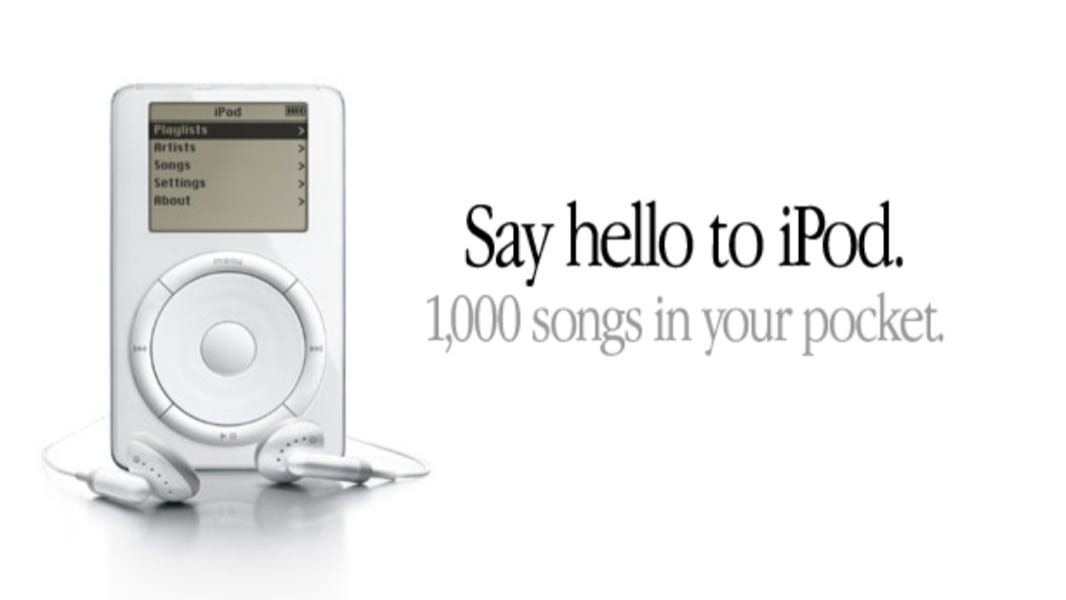
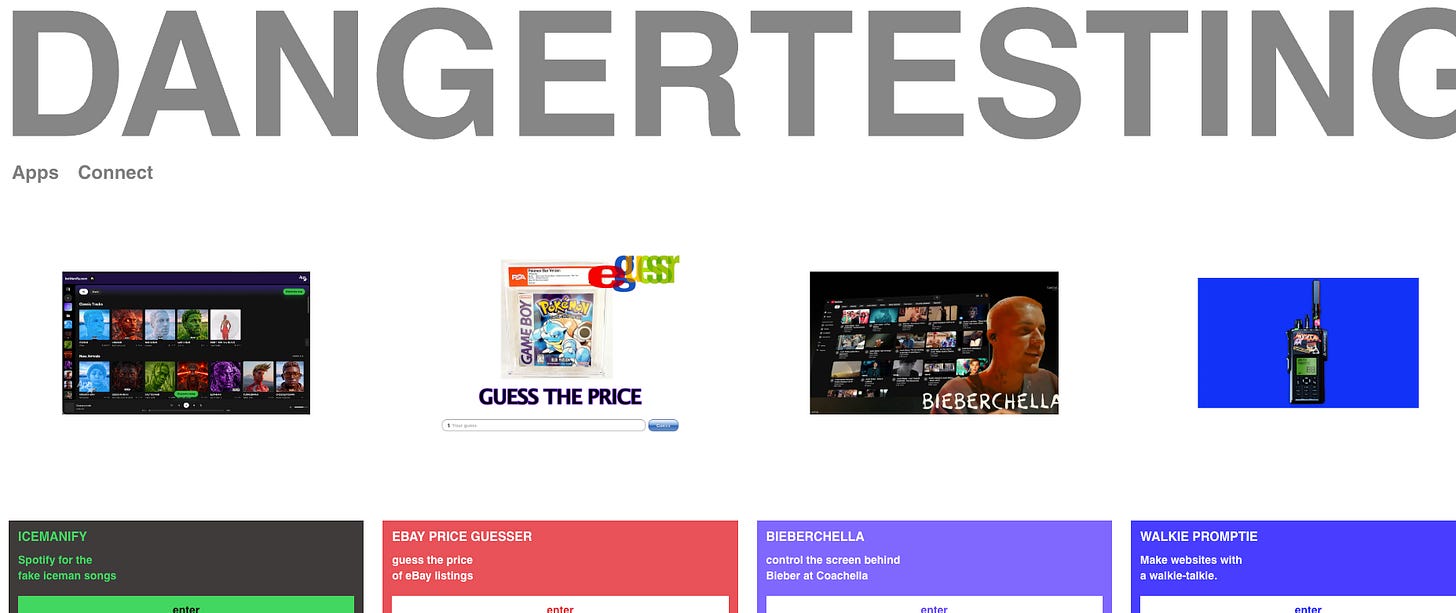
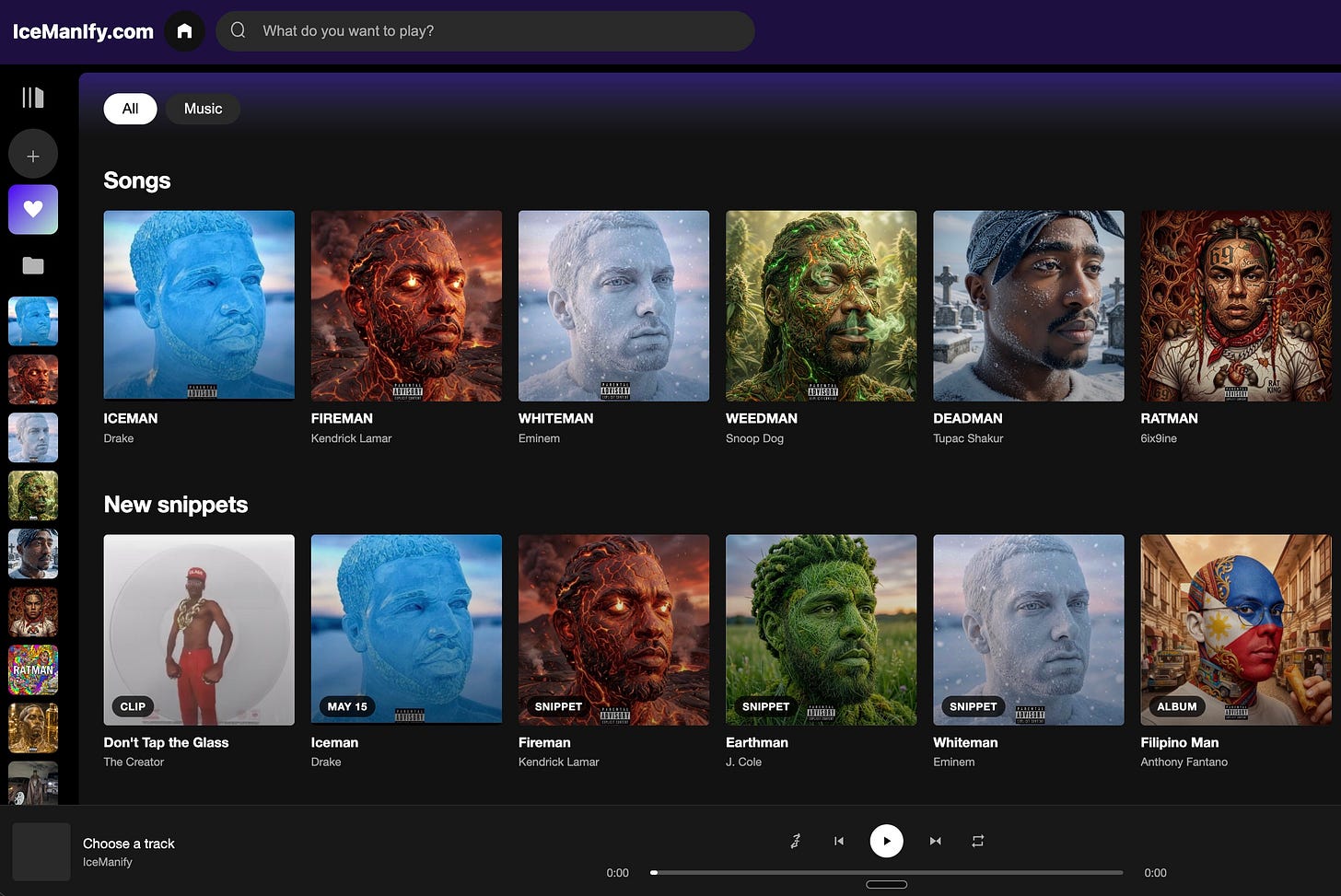
people are reviving ipods. it’s partially a nostalgia move, it’s partially a protest on new technology. it’s the same instinct that brought back film cameras, vinyl, flip phones, and polaroids. a small revolt against a frictionless everything. the ipod signals that you had to scout out your music. then download it. then live with it. deciding whether you liked or disliked something was built around the constraints of your technology (cd disk changer may have had 6 slots, your ipod only had so much storage, etc…) the philosophy of software as “wearable” culture is coming to life. in music, the daw you use says a lot about you. pro tools means you’re technical, precise, maybe a bit insane in pursuit of perfection, and willing to take the long road. fl studio feels like a cheat code, too easy, ideas come out diluted (although i don’t personally feel this way). logic means you like apple and a simple ui to make the idea you wanna make. reason is for the obscure-path people. ableton feels the standard, the one i see in most sessions, especially with people making weird, interesting shit. the daw isn’t just a tool, it’s a piece of identity you wear into a room of peers. this has always been the case tho, what’s new is that it’s becoming true for consumer software too. software as cultural objects, not products. software as utility and art derived from culture. one of the collectives/studios working this way are , founded by , & los- explicitly says that they ship apps like songs and view software as a secondary form of content. they might be the closest lineage to odd future in software- it’s hard to describe but it feels like when i found out about odd future. its the moment of “i don’t know what this is and i don’t care, i’m excited about it”. another one is teenage engineering. supreme in its prime moved like with physical drops (the supreme brick & the supreme crowbar are some examples that come to mind). each release is a cultural object with a utility that makes a statement about culture. sometimes the utility is the joke, sometimes the utility is the point. either way, what you own says who you are. a couple weeks ago, danger testing dropped an app that was spotify but iceman. it went viral because they tap into the cultural pulse exactly where critical mass is sitting in at that moment. and because the cost of building code has collapsed, they can go from idea to fully ready prototype in five to seven days. the app itself doubles as content. the opposite of this is everything that defined consumer software for the last decade. apps designed to dissolve into utility, scaled for engagement, stripped of personality. the algorithmic feed (while you do have to train it) is focused on feeding you without doing additional research. software that was extremely good at being used and extremely bad at meaning anything. there’s software designed to disappear into use, and software designed to mean something. i suspect that now that the barrier to entry is lower, more people will make more things that will be weird & niche, but have more personality and say more about a person than what has persisted in the 2010’s/early 20’s. llm’s (regardless of our opinion on them) has collapsed the cost of building. a solo person can ship a cultural object in a week. and at the same time, a younger generation (and older tbh) is yearning for unpolished experiences. back in my day (old man voice), there were no strategy guides for your games on the internet. you had to find your own way around a video and pray it worked out or buy a strategy guide on the internet, or buy a gameshark. i thin that people want that back. i more or less started algae to do a version of this. capsules instead of launching products because not everything fits neatly into a box. no matter the medium, it’s a tool, a utility, or a piece of art, as a whole. software is the medium i’m most interested in, but capsules can be experiences too, or physical drops. they all create a more holistic style of world building. if software is the new streetwear, then we need labels, not startups. drops, not launches. i mean… maybe the ipod was right? maybe the constraint of the disk changers/ipods made it a fun challenge to force ourselves to pick the soundtracks to our lives wisely?